
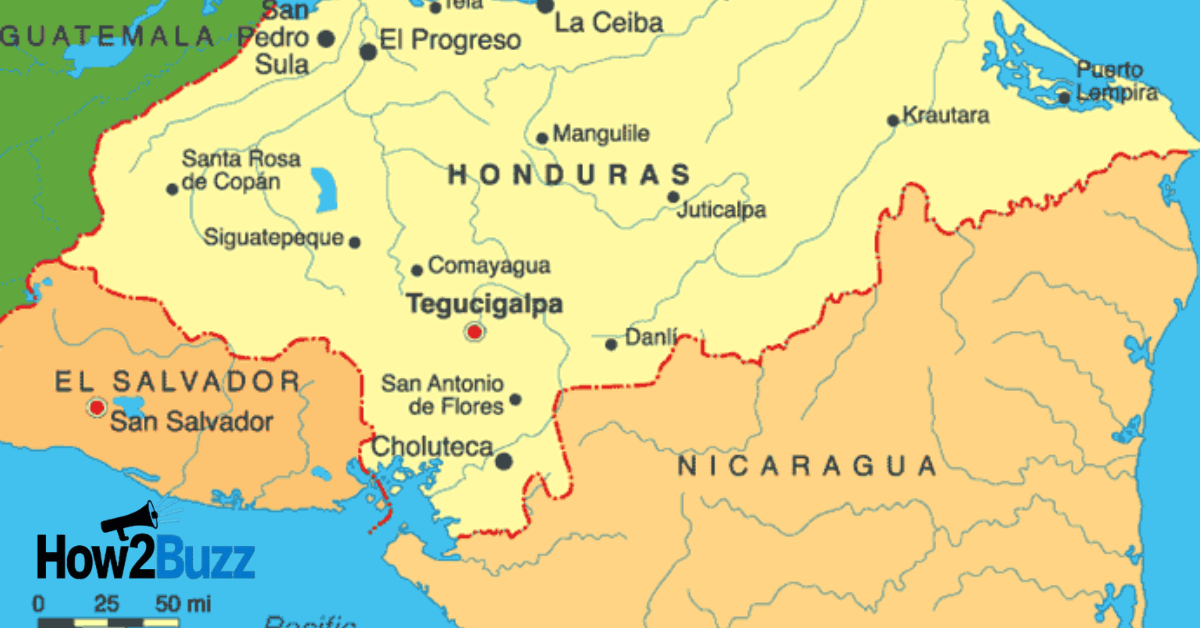

When someone mentions the map of the El Salvador, they’re not just talking about shapes and lines on paper. They’re referring to a country packed with culture, history, and breathtaking landscapes that deserve to be explored. The map becomes more than a simple reference—it’s a storyteller, tracing the mountains, volcanoes, coastlines, and cities that make up this unique Central American gem.
For travelers, students, or anyone curious about this part of the world, understanding the map of the El Salvador gives you a real sense of its identity. It’s a visual representation of how the geography has shaped its economy, traditions, and even the way people interact. Once you know the terrain, you can imagine yourself journeying from the bustling streets of San Salvador to the peaceful shores of La Libertad without missing a beat.
Map of the El Salvador – Understanding the Geography
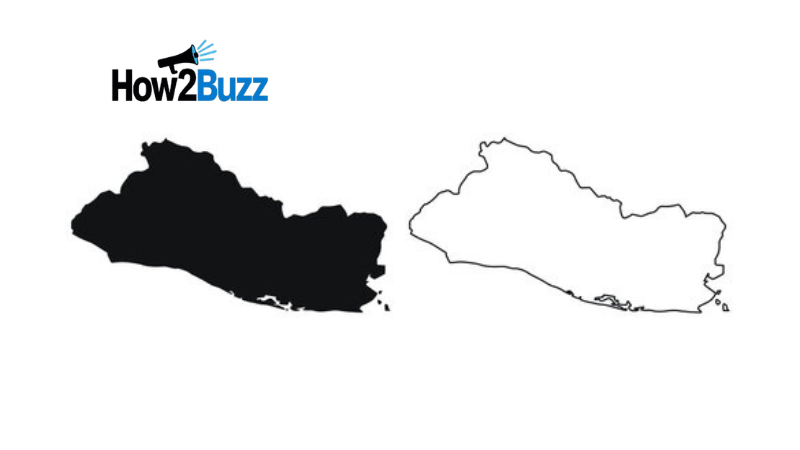
If you look closely at the map of the El Salvador, you’ll see how compact yet diverse the country is. Its territory is small compared to its neighbors, but it offers everything from coastal plains to rugged mountains. The shape is defined by its borders with Honduras to the northeast and Guatemala to the northwest, while the entire southern edge meets the Pacific Ocean.
This arrangement makes the map of the El Salvador stand out in Central America. It’s the only country in the region without a Caribbean coastline, which influences everything from its climate to its trade routes. You can practically trace the migration patterns of wildlife, the spread of agriculture, and even the historical trade paths by studying the geographical details.
Map of the El Salvador – Cities and Regions You Should Know
The map of the El Salvador becomes even more interesting when you zoom in on its cities. San Salvador, the capital, sits almost in the heart of the country, making it a natural hub for politics, business, and culture. Moving outwards, you find Santa Ana with its colonial architecture, and San Miguel with its vibrant energy.
Regions are often defined not just by location but by lifestyle. The western part of the country, for instance, is famous for coffee plantations tucked into volcanic slopes. The eastern side feels more laid-back, with fishing villages and warmer climates. A good understanding of the map of the El Salvador lets you plan trips that balance city energy with nature escapes.
Historical Influence on the Country’s Layout
The present-day arrangement you see on the map didn’t happen overnight. The borders, city locations, and road networks are deeply connected to the country’s colonial history. Spanish influence left behind urban planning styles that still shape the way towns are structured today.
Trade routes established centuries ago still align closely with major highways and transport corridors. Understanding this history gives the map context—it’s not random lines but the result of centuries of movement, conflict, and cooperation.
Natural Wonders Reflected in the Landscape
Volcanoes, lakes, and beaches dominate the scenery. When you see them marked on a map, you realize how much of the country’s identity is tied to these natural features. The famous Santa Ana Volcano, for example, is not only a geological marvel but also a landmark visible for miles.
Lakes such as Coatepeque are ringed by hills that look stunning both in person and from a top-down view. Coastal areas stretch along the Pacific, offering surfers some of the best waves in the world. The map acts like a treasure chart pointing to these wonders.
How to Read the Map Like a Pro
Reading a map isn’t just about knowing where north is. It’s about interpreting the symbols, colors, and patterns that tell you about elevation, vegetation, and human settlement. El Salvador’s topography is especially dynamic, so maps often use strong color contrasts to show mountains against coastal lowlands.
Understanding the legend is key. Whether you’re a hiker planning a route or a researcher studying population density, the small icons and shaded areas on the map can reveal a lot more than you’d expect at first glance.
Planning a Journey Using the Country’s Layout
For travelers, knowing the distances between cities is essential. While the country is small, winding mountain roads can make travel times longer than you think. A map helps you visualize the most efficient route, whether by bus, car, or even bicycle.
Some travelers prefer to stick to main roads for safety and convenience, while others use smaller routes for a more authentic experience. The right map can highlight both options, helping you design a trip that matches your comfort level and curiosity.
The Role of Climate Zones in Travel Planning
El Salvador’s climate varies more than you’d expect. Coastal areas are generally warm and humid, while higher elevations enjoy cooler temperatures. A map showing climate zones can help you decide the best time to visit certain places.
If you’re planning to hike in the highlands, cooler months may be ideal. On the other hand, beach lovers might prefer the dry season when the Pacific coastline is sunny almost every day. This geographical and climate awareness ensures your travel plans go smoothly.
Agriculture and the Landscape
The country’s fertile volcanic soil has been a cornerstone of its agricultural economy. Coffee, sugarcane, and corn dominate certain regions. On a map, these agricultural zones often align closely with volcanic highlands and river valleys.
This is no coincidence—volcanoes enrich the soil, and rivers provide essential irrigation. By looking at the layout, you can easily understand why certain crops grow in specific areas, a fact that shapes not only the economy but also local cuisine and traditions.
Biodiversity and Conservation Areas
El Salvador may be small, but it’s rich in biodiversity. Maps often mark protected areas such as national parks and reserves. These are home to species found nowhere else in the world.
The presence of these zones isn’t just about preserving nature—it’s also about maintaining cultural heritage. Indigenous communities have long relied on these lands for food, medicine, and spiritual practices, and the map reflects that deep connection.
Cultural and Urban Development Patterns
Cities are more than dots on a map; they are living organisms shaped by geography. Mountain ranges, rivers, and coastlines have all influenced where people settle and how they build.
Urban expansion often follows transport routes. For example, towns along major highways grow faster, as maps over time clearly show. Understanding this pattern helps in predicting future development trends.
Tourism Opportunities Across the Country
Tourism in El Salvador has been steadily growing, and a map is an essential tool for understanding the flow of visitors. Beach resorts, archaeological sites, and eco-tourism destinations are all mapped out to make planning easier.
From the Tazumal ruins to the Ruta de Las Flores, each point of interest on the map represents an opportunity to experience a different aspect of the country. Tourists can use this as a checklist to make sure they don’t miss hidden gems.
How Technology Has Changed Map Usage
Digital mapping tools have transformed the way we explore El Salvador. Online maps allow zooming in to street level, offering not just geographical data but real-time information on traffic, weather, and even local events.
Still, traditional printed maps hold a certain charm. They offer a big-picture view without the distractions of notifications, and they’re especially handy in areas where mobile signal is weak.
Challenges in Maintaining Accurate Maps
Natural events like volcanic eruptions, landslides, and flooding can alter the landscape. This means maps need regular updates to stay accurate. Roads may be rerouted, towns may expand, and new landmarks may appear.
Government agencies, researchers, and private companies work together to keep information current. The accuracy of a map directly affects navigation, disaster planning, and even tourism safety.
Conclusion
The map of the El Salvador is more than a static image—it’s a living, evolving record of a nation’s geography, culture, and history. By reading it closely, you uncover the layers that define this vibrant country, from the high volcanic peaks to the sunlit Pacific beaches.
Whether you’re a traveler planning your first visit or a student researching geography, understanding the map opens the door to deeper insights and richer experiences. The lines, colors, and symbols together tell the story of a place that is small in size but immense in character.
FAQs
Why is the map important for travelers?
It helps plan efficient routes, understand terrain, and discover key attractions, making travel smoother and more enjoyable.
What makes the geography of El Salvador unique?
Its combination of volcanic landscapes, fertile valleys, and extensive Pacific coastline sets it apart from neighboring countries.
How often are maps updated?
Maps are updated regularly, especially after major natural events or infrastructure changes.
Can you navigate the country without a map?
It’s possible, but not recommended. A map provides essential guidance, especially in rural or less-developed areas.
Are digital maps better than printed maps?
Both have advantages—digital maps offer real-time updates, while printed maps provide a distraction-free overview and work without an internet connection.