

When it comes to finding trustworthy information online, people often ask: is Britannica a reliable source? With the internet flooded by blogs, social media posts, and unverified articles, having a dependable reference has become essential. Britannica has been around for centuries in print and now exists digitally, making it one of the oldest continuously published encyclopedias in the world. But does its reputation still hold up in today’s fast-paced digital age?
The question of is Britannica a reliable source matters because so many students, researchers, and everyday readers rely on it to learn about history, science, culture, and current events. Unlike user-generated platforms, Britannica is curated and reviewed by experts, but does that guarantee accuracy? To answer that, let’s dive into the qualities that make it stand out, while also exploring its limitations.
Is Britannica a Reliable Source for Students?
For students, the importance of credible information cannot be overstated. School papers, presentations, and even college-level research projects require references that educators will accept. In this sense, many teachers encourage students to lean on Britannica because it offers content written by scholars, professors, and professional editors. That means when a student cites Britannica, it shows effort to use credible, fact-checked information.
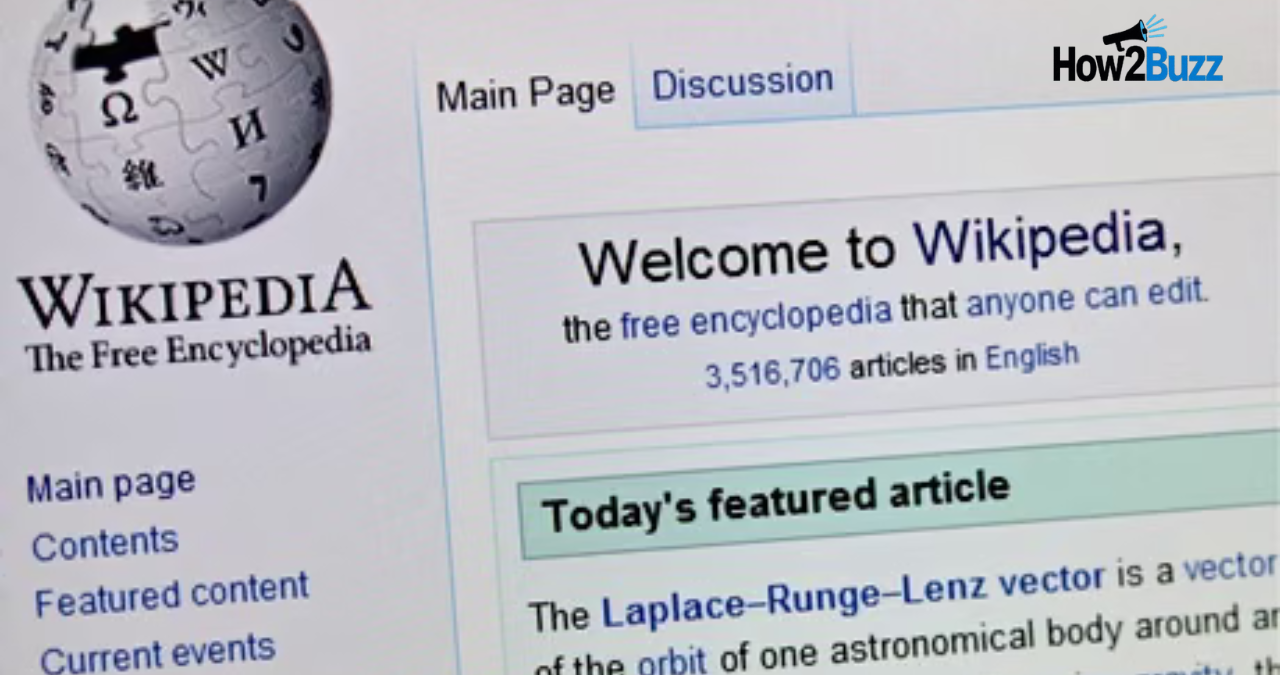
Another reason why many students ask is Britannica a reliable source is because they are often told not to cite Wikipedia. While Wikipedia has improved greatly over the years, the fact that anyone can edit its pages still raises doubts in academic settings. Britannica, on the other hand, relies on a rigorous editorial process. Its entries are signed by contributors, and updates are carefully monitored. This makes it a more acceptable and academically solid option for learners
Is Britannica a Reliable Source Compared to Wikipedia?
The debate often circles back to a comparison between Britannica and Wikipedia. If you’re wondering is Britannica a reliable source compared to Wikipedia, the answer lies in how each platform manages its content. Britannica employs professional editors who review contributions before publication, while Wikipedia relies on community-driven edits that may or may not be reliable in real time.
That said, Wikipedia has the advantage of speed and depth. It updates instantly, covering breaking news and niche topics faster than Britannica. Britannica, while slower, ensures accuracy through fact-checking. So, the real question isn’t just is Britannica a reliable source, but whether you value accuracy over immediacy. For academic purposes, Britannica usually wins out. For casual exploration, Wikipedia offers breadth.
The Editorial Standards Behind Britannica
One of the main reasons people consider Britannica trustworthy is its editorial process. Unlike many online sources, Britannica does not simply publish content submitted by anyone. Instead, every entry is reviewed by a subject expert and fact-checked multiple times before going live. This attention to detail is what separates it from less formal sources.
Additionally, Britannica maintains transparency by crediting authors and contributors. When you open an article, you can often see who wrote or reviewed the entry. This accountability ensures that the information comes from someone with expertise, not just a random internet user. That’s a big part of why the answer to is Britannica a reliable source often leans toward yes.
Why Britannica Still Matters in the Digital Age
Some might argue that encyclopedias are outdated because information changes so quickly. However, Britannica continues to adapt. Its digital platform updates entries regularly, ensuring facts are current and relevant. This means Britannica is not stuck in the past; it has evolved with technology while maintaining its editorial integrity.
In an era where misinformation spreads rapidly online, having a platform known for accuracy is invaluable. That’s why when people wonder is Britannica a reliable source, the fact that it has survived and thrived for centuries is itself proof of its importance. Longevity paired with adaptability makes Britannica stand out.
Strengths of Using Britannica for Research
The first major strength of Britannica lies in its accuracy. Because content is carefully reviewed, the chances of stumbling upon false or misleading information are much lower compared to unregulated platforms. This makes it especially useful for academic work where trustworthiness is key.
Another strength is the clarity of Britannica’s writing style. Articles are written in a way that is both accessible to general readers and informative for advanced learners. This balance ensures that whether you’re a high school student or a graduate researcher, Britannica can serve as a dependable resource. So, when asking is Britannica a reliable source, the strengths clearly weigh in its favor.
Limitations and Criticisms of Britannica
Despite its strengths, Britannica isn’t perfect. One criticism is that it doesn’t always cover niche or emerging topics as quickly as platforms like Wikipedia. If you’re researching a very new technology or a trending cultural issue, Britannica might not have the depth or immediacy you need.
Another limitation is accessibility. Britannica often requires a subscription for full access, which can discourage casual users. Free alternatives like Wikipedia are more accessible, though not always as reliable. Therefore, while the answer to is Britannica a reliable source is mostly yes, it depends on what type of information you’re seeking and how quickly you need it.
Britannica and Academic Acceptance
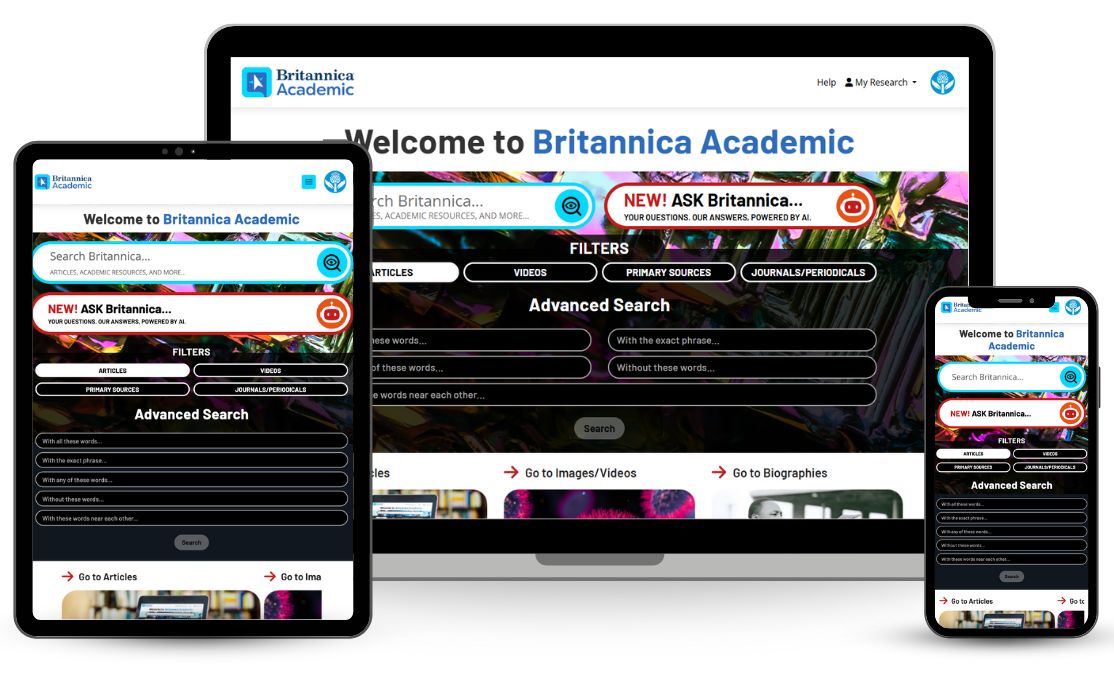
In academic settings, not every source is treated equally. Teachers and professors often discourage students from relying solely on online sources, but Britannica is usually an exception. Because of its long-standing reputation and editorial standards, it is one of the few online encyclopedias frequently accepted in academic writing.
This makes Britannica a solid option for students looking for a base reference. While it may not replace primary sources or peer-reviewed journals, it provides a strong starting point. Thus, the question is Britannica a reliable source often gets a positive answer from educators.
The Role of Britannica in Fact-Checking
In a world where fake news spreads rapidly, fact-checking has become a critical skill. Britannica contributes to this by offering articles that are consistently verified. Whether it’s a historical event, a scientific principle, or a biography, Britannica provides a trustworthy baseline against which information can be checked.
This fact-checking role is why journalists, researchers, and students alike often turn to Britannica. If you’re uncertain about a claim you read elsewhere, Britannica is a safe place to confirm or challenge it. That adds weight to the answer when someone asks, is Britannica a reliable source.
Britannica in Education and Learning
Beyond formal research, Britannica plays an important role in general learning. Many schools integrate it into their libraries and online resources, giving students access to credible content from a young age. This exposure helps students learn the difference between verified knowledge and casual information.
In addition, Britannica offers learning tools like quizzes, study guides, and multimedia resources, making it more than just an encyclopedia. By blending traditional scholarship with modern learning tools, Britannica continues to prove its relevance. This strengthens the case for is Britannica a reliable source as an educational tool.
The Future of Britannica as a Knowledge Source
The digital landscape is constantly evolving, and Britannica is adapting alongside it. By partnering with schools, integrating multimedia, and updating its online platform, Britannica ensures that it doesn’t fade into obscurity. Its ability to evolve while maintaining reliability is what sets it apart from other sources.
As artificial intelligence and automated content grow in popularity, the human-curated nature of Britannica becomes even more valuable. It ensures that the information you read has been thoughtfully reviewed, not just generated by an algorithm. This gives readers confidence in asking is Britannica a reliable source well into the future.
Conclusion
So, is Britannica a reliable source? The evidence suggests yes. With its rigorous editorial standards, long-standing history, and acceptance in academic circles, Britannica remains one of the most credible encyclopedias available today. While it may not always have the breadth or immediacy of other platforms, it makes up for it with accuracy and authority.
In the end, Britannica should be seen as a trustworthy starting point for research and learning. It may not replace primary sources or specialized journals, but it continues to provide valuable, reliable knowledge in a world overflowing with misinformation.
FAQs
Q1: Can I cite Britannica in my school papers?
Generally, yes. Britannica is curated by experts and fact-checked, while Wikipedia is crowd-sourced and may contain errors.
Q2: Is Britannica more accurate than Wikipedia?
Generally, yes. Britannica is curated by experts and fact-checked, while Wikipedia is crowd-sourced and may contain errors.
Q3: Does Britannica cover current events quickly?
Not as quickly as Wikipedia, but it does update entries regularly to ensure accuracy.
Q4: Do I need a subscription to use Britannica?
Some content is free, but full access often requires a subscription, especially for advanced features.
Q5: Is Britannica outdated?
No. While it started as a print encyclopedia, Britannica has embraced digital platforms and continues to update its content for modern users.