
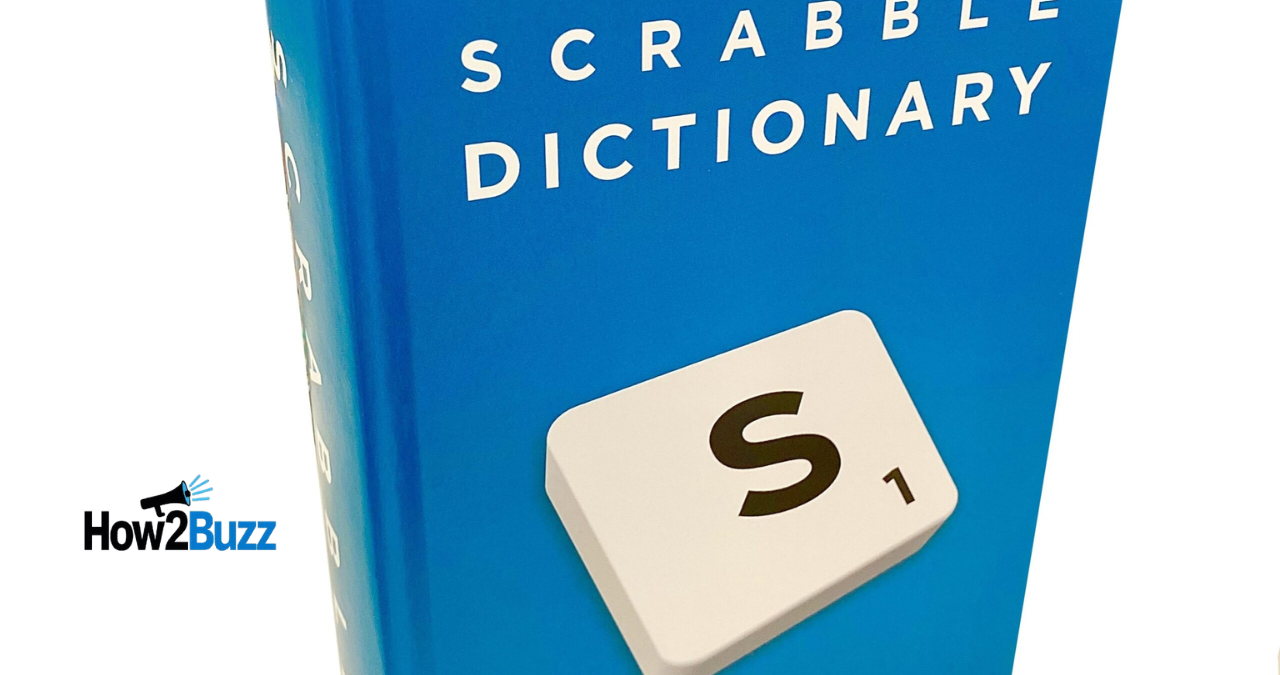

If you’ve ever sat around a table with friends or family playing Scrabble, you already know that arguments can break out fast. Someone throws down a strange-looking word, another person challenges it, and suddenly the whole game is on pause. That’s where the scrabble dictionary steps in as the official referee, ensuring fairness and keeping the game flowing.
But this dictionary isn’t just a list of words. It’s a dedicated tool designed for one of the most iconic word games ever created. Whether you’re a casual player who enjoys a weekend challenge or a serious competitor dreaming of tournaments, understanding the role of the scrabble dictionary can transform how you approach the game. Let’s dig into why it matters and how you can use it to your advantage.
Why a Scrabble Dictionary is Different
Most people assume it’s just another dictionary, but the truth is that the scrabble dictionary is built specifically for gameplay. Unlike a standard reference book, this one only includes words that are officially playable. That means no proper nouns, abbreviations, or made-up terms that might sneak into your everyday chats.
What makes it unique is how it balances accessibility and competitiveness. Casual players love it because it’s easy to reference when disputes pop up. Meanwhile, tournament players rely on it like a playbook, memorizing obscure entries and rare two-letter words that can change the outcome of a close match. The scrabble dictionary doesn’t just settle disputes—it raises the level of play for everyone.
Using the Scrabble Dictionary to Improve Your Game
One of the best parts of having access to a scrabble dictionary is how it can become a training tool, not just an in-game resource. Instead of waiting until a dispute arises, you can actively study it before matches. This gives you a leg up on spotting hidden opportunities when tiles look bleak.
It’s not about memorizing thousands of pages overnight. Instead, players often start small, focusing on high-value two-letter and three-letter words that can easily connect across the board. Over time, this builds confidence, reduces hesitation, and makes every game more enjoyable. For anyone who wants to level up, the scrabble dictionary is like having a personal coach always ready to sharpen your vocabulary.
How the Dictionary Shapes Scrabble Culture
Beyond being a simple word list, the scrabble dictionary has influenced the way people perceive the game. It creates a common ground where players from different backgrounds can meet and compete with fairness. Imagine a global match where one player uses a slang word while another swears it’s legitimate—that’s a recipe for chaos without an agreed-upon resource.
This shared authority has also fostered a culture of respect and camaraderie. Players learn to trust the process, celebrate clever word placements, and admire unusual terms they might never use in daily life. The scrabble dictionary doesn’t just keep games honest; it builds a sense of community among word lovers everywhere.
Learning Strategy Through the Dictionary
A hidden benefit of using the scrabble dictionary is the way it subtly teaches strategy. Each time you flip through it, you’re not just learning new words—you’re building mental shortcuts. That obscure three-letter word might not matter in conversation, but on a crowded board, it can open up entire rows of possibilities.
Serious players often create study lists, pulling out word groups like all playable words with “Q” that don’t require “U.” These discoveries aren’t about showing off but about unlocking flexibility. In that sense, the scrabble dictionary functions less like a dry reference and more like a toolkit for unlocking creativity.
How to Choose the Right Version
Not every scrabble dictionary is the same, and knowing which one to use matters. There are editions specifically designed for family play, which often omit obscure or outdated words. On the other hand, tournament editions are comprehensive, packed with entries that look like a jumble of letters to the untrained eye.
When deciding which one suits you best, think about your goals. If you’re in it for friendly fun, a simpler edition will keep everyone on equal footing. If you’re aiming for competitive play, the official tournament version is essential. Picking the right scrabble dictionary is really about matching the level of play to the players around the table.
Fun Discoveries Inside
Opening a scrabble dictionary can feel like a treasure hunt. You stumble across quirky words, unusual spellings, and combinations that seem impossible yet are totally valid. Some players even keep a running list of favorites, adding an element of fun to studying.
These little discoveries aren’t just about scoring points—they’re about keeping the game fresh. Every new word learned feels like unlocking a secret weapon. The scrabble dictionary ensures that even after decades of playing, there’s always something new to surprise you.
Why Serious Players Swear by It
For casual players, flipping through the scrabble dictionary is a handy way to settle arguments. But for serious competitors, it’s non-negotiable. They treat it as an essential part of preparation, dedicating hours to mastering obscure entries and drilling themselves with flashcards or apps.
This commitment pays off during high-stakes matches, where one overlooked opportunity can swing the score dramatically. Without the scrabble dictionary, competitive Scrabble would lose its structure and credibility. It’s the cornerstone of how top-level play works.
Digital Versions vs. Physical Books
In today’s world, many players prefer using a digital scrabble dictionary. It’s convenient, portable, and often faster to search during a heated game. Apps and online versions even include features like word finders or practice quizzes, making them excellent training companions.
That said, the charm of a physical book still has its place. Flipping pages with friends gathered around feels more interactive and can keep the game’s energy lighthearted. Whether digital or printed, the scrabble dictionary remains the same at its core: a trusted authority for fair play.
Expanding Vocabulary Beyond the Game
Interestingly, the scrabble dictionary doesn’t just improve game scores—it enriches everyday language. Many players notice their vocabulary expanding in daily life after years of exposure to obscure words. Suddenly, crossword puzzles, spelling bees, and even casual reading feel more approachable.
This crossover benefit makes the dictionary more than just a game aid. It’s an educational resource wrapped in fun, showing how play and learning often go hand in hand. The scrabble dictionary proves that even a competitive game can have lasting positive effects on how we use language.
Common Myths Around It
A lot of misconceptions swirl around the scrabble dictionary. Some players believe it’s identical to a standard dictionary, while others assume it includes every word ever created. In reality, it’s carefully curated, striking a balance between playability and practicality.
Another myth is that it makes the game less fun because it limits creativity. In truth, it does the opposite. By setting clear rules, it frees players to be as inventive as possible within the boundaries, ensuring that creativity thrives rather than chaos. The scrabble dictionary is what makes the game sustainable over generations.
FAQs
Is the scrabble dictionary different from a regular dictionary?
Yes, it only includes playable words, leaving out proper nouns, abbreviations, and other non-standard terms.
Do I need the official edition for casual play?
Not necessarily. Family-friendly editions are available, though serious players should stick with the official one.
Can I use online scrabble dictionary apps during games?
For casual play, yes—it keeps things quick and fun. For competitive matches, only official printed or tournament-approved versions count.
Does studying the scrabble dictionary actually help?
Absolutely. Learning short, high-value words can drastically improve your score and confidence.
How often is the scrabble dictionary updated?
Updates happen periodically to reflect new terms and shifts in language, keeping the game modern and fair.