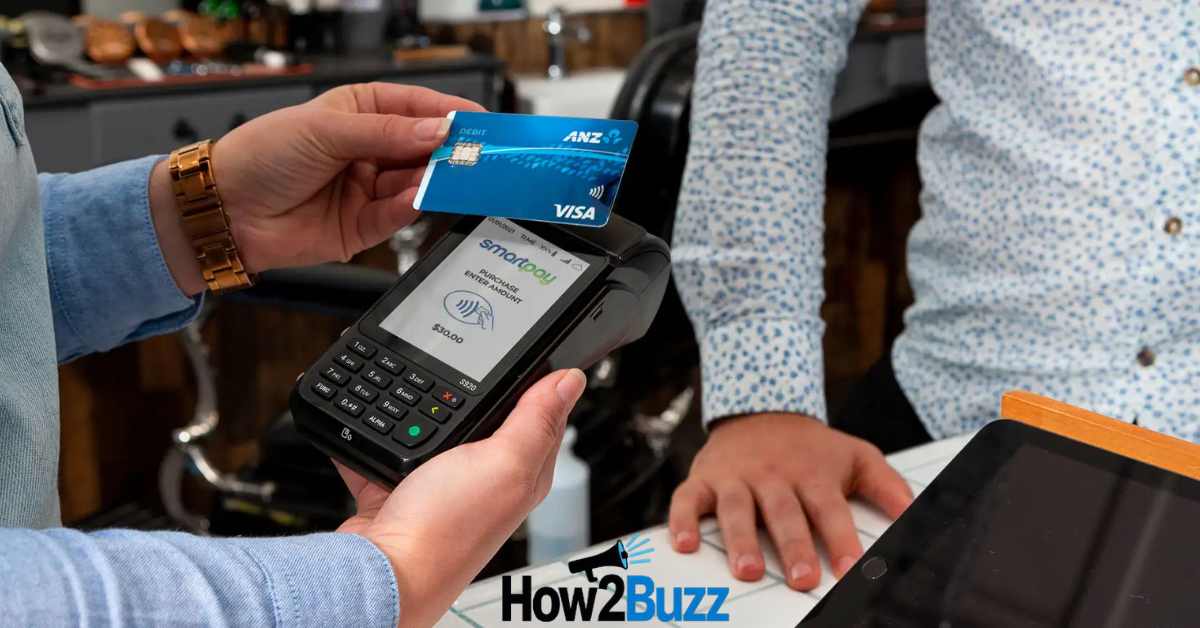

EFTPOS, short for Electronic Funds Transfer at Point Of Sale, is one of those invisible systems that makes everyday transactions quick and effortless. Whether you’re paying for a snack, settling a bill at a restaurant, or buying your weekly groceries, it quietly does the heavy lifting to move money securely from your account to the business.
What makes it remarkable is how it’s not just one piece of technology, but a network of tools and processes working together. Acting as a bridge between banks, retailers, and payment networks, it has adapted from early card-swiping days to today’s tap-and-go convenience.
EFTPOS in Everyday Life
It’s hard to imagine shopping without this payment option. For most people, tapping a card or phone has become as natural as breathing. From city stores to small-town markets, the familiar terminal is ready to process your purchase in seconds.
Beyond convenience, it’s also a business booster. Even small stalls can offer the same flexibility as major chains. This not only makes customers happier but also helps merchants cut cash-handling costs and reduce errors.
EFTPOS Technology Behind the Scenes
The moment you present your card, a secure sequence begins. The terminal sends an encrypted request to your bank, checks your balance, verifies your identity, and delivers an approval — all in under a second.
Data safety is a cornerstone here. Encryption and tokenization ensure sensitive information isn’t exposed during the process. That’s why this payment method remains one of the most trusted in retail.
The Evolution of Payment Methods
Before this system, paying often meant counting out coins or writing a cheque. The introduction of card-based processing changed that forever. Since then, technology has moved from magnetic strips to chips, and now to contactless and mobile wallet integrations.
The goal has been to make transactions faster, safer, and more flexible. Today’s devices can handle loyalty programs, split bills, and even process payments offline when needed.
Why Businesses Love Payment Terminals
For merchants, these devices are essential. They make the checkout process faster, reduce the risks tied to cash handling, and offer real-time sales tracking.
Staff also benefit from reduced human error and simpler customer interactions. In high-volume environments, those saved seconds mean more transactions and higher revenue.
Consumer Benefits Beyond Convenience
For shoppers, the advantages include not needing to carry large amounts of cash and enjoying easy returns thanks to a digital record of purchases.
It also helps with hygiene — fewer hand-to-hand exchanges of money mean fewer touchpoints, which became especially important in recent years.
Security and Reliability in Digital Payments
Strong encryption protects each transaction from interception. Banks and providers also use fraud detection tools that monitor unusual activity and alert users quickly.
Reliability is another reason this method stays dominant. If one connection fails, many devices can switch to backups, keeping the checkout line moving.
How Contactless Payments Changed the Game
Tapping a card for small purchases has revolutionized the checkout experience. It’s ideal for busy cafés, public transport, and quick-service stores.
Because the card never leaves your hand, it’s also considered safer by many experts — the same strong security applies without the need for PIN entry in low-value transactions.
The Role of Mobile Wallets and Wearables
Modern payment systems work seamlessly with smartphones, smartwatches, and even fitness trackers. For customers, this means carrying fewer physical cards while still enjoying quick transactions.
For merchants, it’s about offering flexibility and meeting customers in their preferred digital environments.
The Future of Retail Transactions
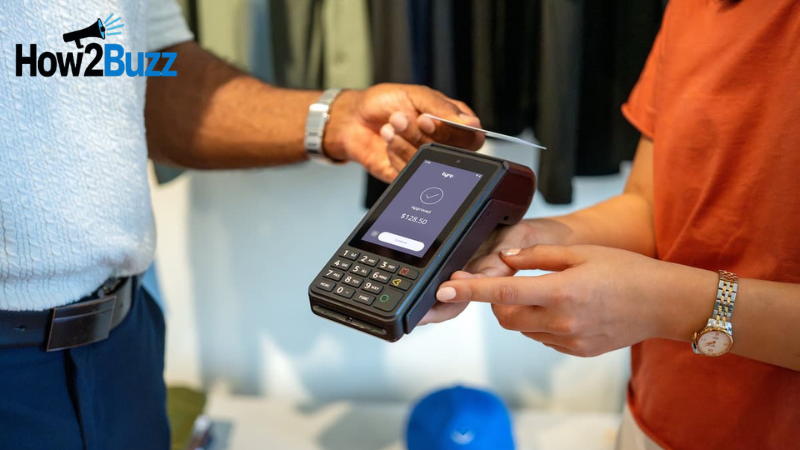
Expect to see biometric authentication, AI-driven fraud prevention, and even deeper links between in-store and online checkouts.
One possible development is scanning a product and paying instantly without joining a queue, blending the physical and digital shopping experience.
Common Myths About Payment Systems
Some think these systems are costly to run, but competition among providers has lowered fees significantly. Efficiency gains often outweigh costs.
Another misconception is that they’re only for large retailers. In reality, portable and app-based devices work just as well for small traders and service providers.
How to Choose the Right Terminal for Your Business
Look beyond price — factors like speed, battery life, POS integration, and customer support matter just as much. Match your device to your business environment. A busy coffee shop has different needs from a home-based operation handling only a few transactions daily.
FAQs
What does EFTPOS stand for?
Electronic Funds Transfer at Point Of Sale — a secure way to move funds from a customer’s account to a merchant in real time.
Is it safe?
Yes. Encryption, tokenization, and fraud monitoring keep payments secure.
Does it require internet?
Most do, but many have offline modes to store transactions until a connection is restored.
Can small businesses use it?
Absolutely — portable devices make it accessible to everyone from market stalls to mobile services.
How is it different from credit card payments?
It can process both debit and credit cards, while “credit card payments” refers only to transactions using a credit line.