
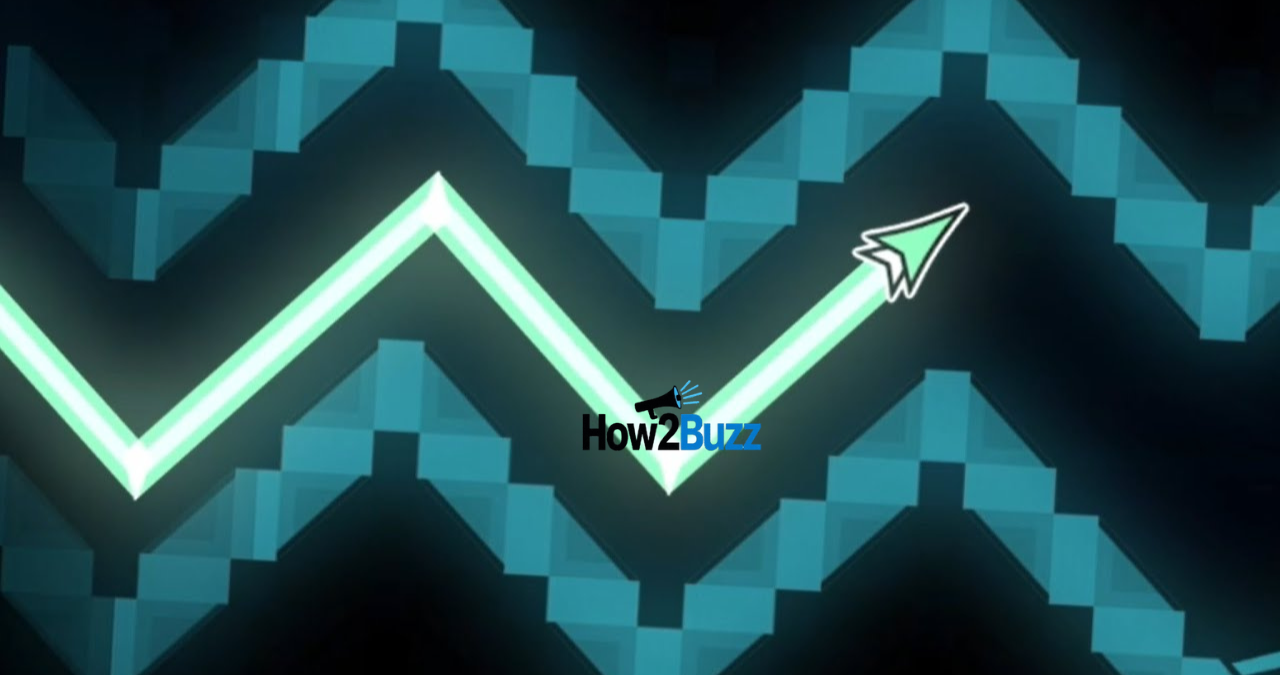

If you’ve played Geometry Dash for any decent amount of time, you already know the infamous wave mode. It’s one of those features that looks so simple at first glance, yet can quickly turn into the toughest challenge you’ll face in the game. The moment your icon transforms into the wave, the entire rhythm and flow of your run changes. Suddenly, you’re not just jumping—you’re controlling sharp, precise movements that test your reaction time and consistency.
Geometry Dash wave mode has built a reputation for being both addictive and brutally punishing. Some players love the high-speed action, while others dread it because of how easily one small slip can ruin a perfect run. Whether you’re new to the wave mechanic or you’re trying to refine your skills, understanding how it works and how to master it is crucial if you want to survive tougher levels.
Geometry Dash Wave Controls and Mechanics
At its core, the wave is incredibly simple. Tap to go up, release to go down. That’s it. No extra buttons, no hidden tricks, no complex combinations. But simplicity is often deceptive. The real challenge lies in mastering the sharp angles, maintaining control during rapid transitions, and staying calm under pressure when everything is moving at lightning speed.
The movement of the Geometry Dash wave is much steeper compared to other game modes, which makes even the smallest input matter. Tap a little too long, and you slam into the ceiling. Release a fraction too early, and you crash straight into the ground. The sensitivity is brutal, and that’s what makes it so rewarding once you start to get it right. Unlike some other modes, the wave doesn’t forgive hesitation—you need to fully commit to your timing.
Geometry Dash Wave Challenges in Levels
When you first encounter the wave, you’ll probably see it in relatively simple sections. But as you move deeper into the game, levels start introducing wave challenges that are designed to push your patience and skill to the edge. Narrow tunnels, tight zig-zag patterns, and sudden speed changes all create an environment where even advanced players struggle.
What makes these challenges so interesting is how they can be designed. A wave section can be short but brutally tight, or it can stretch out into long, flowing tunnels that demand sustained focus. Either way, levels that include wave gameplay often end up becoming fan favorites because they create some of the most intense and memorable moments in Geometry Dash.
Why Players Love the Wave
Despite its punishing difficulty, players are drawn to the wave because it feels so smooth when executed properly. The rhythmic flow of quick taps and releases makes it incredibly satisfying once you’ve got the hang of it. For many players, nailing a wave section after hours of failing is one of the best feelings the game has to offer.
Another reason for its popularity is how customizable it feels. Depending on the level, the wave can be slow and controlled or ridiculously fast and chaotic. That flexibility gives creators tons of options for building unique challenges, which keeps the gameplay fresh even after you’ve played dozens of wave-heavy levels.
Training Your Skills for Wave Mode
If you want to improve at the wave, the best approach is practice—lots of it. Start by finding levels that feature simple wave sections and focus on getting comfortable with the sensitivity. You’ll notice that it’s not just about tapping randomly; it’s about learning the rhythm of short, controlled clicks that keep your icon balanced.
Once you feel more confident, challenge yourself with levels that push your limits. The trick is to gradually step into tougher designs instead of immediately jumping into the hardest wave sections you can find. Building muscle memory over time is key, because your brain and fingers need to sync perfectly to handle the wave’s sharp movements.
Common Mistakes Players Make
One of the biggest mistakes new players make is over-tapping. It’s natural to panic when you’re faced with tight tunnels, but spamming inputs usually causes you to lose control. The wave requires calm, deliberate movements, not frantic button smashing. Another common issue is focusing too much on the icon itself instead of the path ahead, which often leads to late reactions.
Another mistake is ignoring the music. Geometry Dash is built around rhythm, and the wave sections are no different. The background track often hints at the timing of clicks, and syncing your movements with the beat can make controlling the wave feel more natural. Many players improve significantly once they start “playing to the music” instead of relying solely on visual cues.
Advanced Techniques for Wave Control
Once you’ve mastered the basics, you can start experimenting with advanced techniques. Micro-clicking, for example, is the art of making extremely short taps that allow you to stay close to flat while still controlling height. It’s a technique you’ll see in some of the hardest levels, and it’s essential if you want to compete with top players.
Another skill worth developing is momentum control. Some sections require you to quickly switch from steep climbs to sharp dives. Being able to smoothly transition between these movements without jerking too far in either direction is what separates casual wave players from experts.
Community Creations Featuring Wave Sections
The Geometry Dash community has gone wild with wave design. Some of the most legendary fan-made levels are centered almost entirely around wave gameplay. These levels showcase how much creativity is possible with such a simple mechanic. Tight tunnels, mirrored paths, and lightning-fast zigzags all push the boundaries of what the wave can do.
Players love sharing their runs of these levels on platforms like YouTube and Twitch, and wave sections often steal the show. Watching someone flawlessly navigate an impossible-looking tunnel is both inspiring and intimidating. It’s also one of the main reasons wave mode has become such a cornerstone of Geometry Dash culture.
Why the Wave Stands Out Among Other Modes
Geometry Dash offers several different game modes, from the cube to the robot, each with its own mechanics. But the wave stands out because of its combination of simplicity and depth. You only need one input to control it, yet the skill ceiling is incredibly high. That contrast makes it one of the most rewarding mechanics to master.
Unlike other modes, the wave often feels like a pure test of reaction and control. There’s less room for luck and more emphasis on precision. That’s why so many players consider it the ultimate skill check within the game. It’s not just about surviving—it’s about proving you can stay consistent under the most intense pressure.
Conclusion
Geometry Dash wave mode may look intimidating at first, but once you start practicing, it becomes one of the most addictive parts of the game. Its sharp movements, high speed, and unforgiving sensitivity create challenges that are both frustrating and incredibly rewarding. Whether you’re casually playing levels or diving into extreme community creations, mastering the wave will always be a milestone worth celebrating.
So the next time you see your icon transform, don’t panic—embrace the challenge. With practice, patience, and rhythm, you’ll discover that the wave isn’t just another mechanic. It’s a test of focus, skill, and persistence, and conquering it is one of the best feelings Geometry Dash has to offer.
FAQs
What is the Geometry Dash wave?
The wave is a game mode where your icon transforms into a zigzagging arrow that you control by holding or releasing a button to move up and down.
Why is the wave considered so hard?
It’s difficult because of its steep sensitivity. Even the smallest tap can dramatically change your position, making precise control essential.
How do I get better at wave sections?
Practice is the key. Start with simpler levels, focus on rhythm, and gradually challenge yourself with tougher wave-heavy designs.
Are there levels focused only on the wave?
Yes, many community-made levels are designed specifically around wave gameplay, offering everything from smooth patterns to extreme challenges.
Why do players enjoy the wave despite its difficulty?
Because it feels incredibly satisfying to master. Once you develop the rhythm and precision, wave sections provide some of the most rewarding moments in the entire game.