
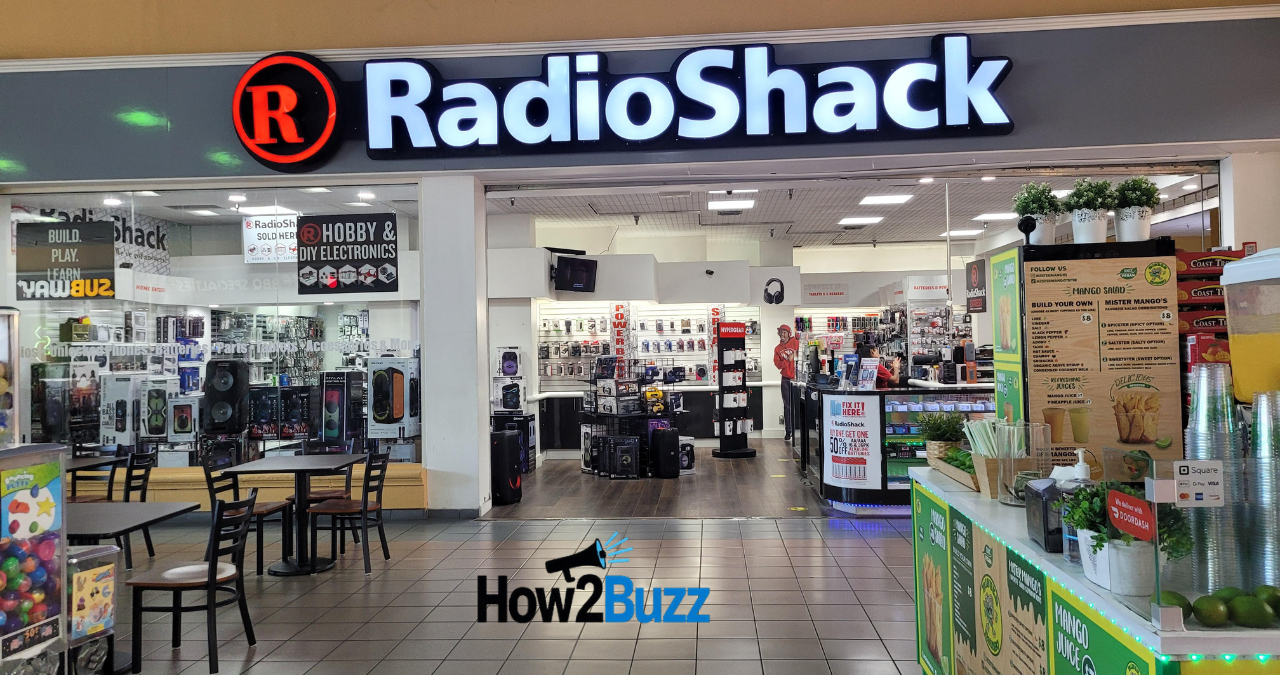

For decades, Radio Shack has held a unique place in the hearts of tech enthusiasts, hobbyists, and everyday consumers. Known as the go-to store for electronics, gadgets, and parts, it became more than just a retailer—it was a cultural landmark. Whether you needed a simple battery, a resistor for a project, or the latest gadget, this store had you covered. Its presence was undeniable, shaping the way many people interacted with technology in the pre-digital age.
Today, the brand still resonates with people who remember its heyday, as well as with a new audience curious about its history. It represents both nostalgia and transformation, adapting over time to changes in consumer behavior and the retail landscape. While its story is one of challenges, it is equally about resilience and reinvention.
Radio Shack and Its Origins
The origins of Radio Shack are rooted in a simple but powerful idea—making technology accessible to the masses. Starting as a small mail-order business, it quickly expanded into physical storefronts, offering a diverse range of electronic parts and equipment. This made it a cornerstone for innovators, hobbyists, and anyone who wanted to experiment with technology in their own homes.
As the years passed, the store began to symbolize the excitement of discovery. Walking through the aisles, customers could find everything from radio kits to early computing devices. For many, it became a place where creativity thrived, providing tools and guidance for building, fixing, or simply learning. This early focus set the tone for what would become decades of influence in consumer electronics.
Radio Shack in Popular Culture
It’s impossible to talk about Radio Shack without acknowledging the cultural role it played. From the seventies through the nineties, its stores were iconic destinations. Kids and adults alike would stop by not only to buy gadgets but also to dream about the latest technology showcased in its catalogs. These catalogs, filled with colorful images of everything from remote-controlled cars to personal computers, were almost as important as the stores themselves.
In movies, television, and everyday conversations, the name became synonymous with electronic curiosity. People who grew up in that era often remember it as their first introduction to the wonders of technology. Its legacy in popular culture continues to be strong because it represents a time when technology was both mysterious and exciting, a time before digital convenience replaced hands-on exploration.
The Evolution of the Brand
Like many retailers, the brand experienced a significant evolution as technology itself advanced. Initially focused on hobbyists and tech tinkerers, it gradually expanded into mainstream consumer electronics. During the rise of personal computing, the company played a pivotal role, selling some of the earliest mass-market computers.
However, as the internet and big-box retailers grew, the landscape changed. What once was a unique selling point—the availability of parts and expertise—was overshadowed by online competition and mega-stores with broader inventories. The brand had to reinvent itself, experimenting with partnerships, new strategies, and a refreshed identity to remain relevant in an increasingly digital-first world.
Challenges Faced in a Changing Retail Market
The challenges faced by Radio Shack were reflective of a broader trend in retail. As e-commerce giants emerged, many traditional stores struggled to keep pace. Shoppers began prioritizing convenience, variety, and competitive pricing, areas where online platforms excelled. For a brand built on physical presence and specialized knowledge, this transition was difficult.
Financial struggles, shifting consumer habits, and increased competition led to closures and restructuring efforts. Yet, despite these hurdles, the name has never disappeared completely. Its staying power illustrates the deep connection it forged with customers over the years. While it may not dominate the market today, its influence remains alive in the memories of those who valued its role.
The Role of Radio Shack for Hobbyists and Innovators

Perhaps the most important contribution of Radio Shack lies in its support of hobbyists and innovators. Long before tech startups became household names, the store was a place where curiosity could come to life. People learned basic electronics, built projects, and even launched careers because of the resources available there.
It provided not only the parts but also the knowledge. Employees were often hobbyists themselves, ready to guide and explain. For many, it was less about buying a product and more about engaging with a community. This nurturing environment helped spark creativity and fostered a generation of innovators who would go on to shape the tech industry.
Reinvention and the Future
The future of Radio Shack is still unfolding. While the large retail chain of the past may no longer exist in its former glory, the brand continues to explore opportunities in the modern marketplace. Its current form leans heavily on e-commerce, franchising, and maintaining its reputation as a trusted name in electronics.
By adapting to digital demands while holding onto its roots, the brand positions itself as both nostalgic and forward-looking. Whether through online stores, collaborations, or specialty outlets, its survival strategy revolves around staying relevant without losing the essence that made it beloved. Its legacy ensures that even as it evolves, it will always represent curiosity, innovation, and accessibility.
Why the Legacy Still Matters
Even in an age dominated by smartphones and instant online shopping, the legacy of Radio Shack matters. It represents a bridge between the early days of consumer electronics and the advanced world we live in today. Without its influence, many people might not have had the same access to tools that inspired them to learn, create, and innovate.
Conclusion
The story of Radio Shack is one of rise, transformation, and enduring impact. It began as a small business dedicated to bringing electronics to everyday people and grew into an icon of technological exploration. While its retail dominance has faded, its influence continues to be felt in the memories of customers and the achievements of those it inspired.