
When preparing to get behind the wheel, the road signs test is one of the most crucial parts of your driving journey. It’s more than just memorizing shapes and colors—it’s about understanding the language of the road. These signs are designed to keep traffic flowing safely, reduce confusion, and protect everyone on the move. Passing this test proves that you’re not only ready to drive but also responsible enough to share the road with others.
Many learners worry about this exam, thinking it’s just a memory game. In reality, the road signs test is about recognizing patterns, anticipating driver behavior, and reacting correctly. Once you see it this way, studying road signs becomes less stressful and more like learning a new skill. Let’s break everything down so you can feel confident and even enjoy the process.
Why the Road Signs Test Matters
For new drivers, passing the road signs test is more than just ticking a box on your way to a license. It demonstrates that you know how to interpret the essential instructions that guide every single trip, from busy highways to quiet neighborhoods. Without this knowledge, driving becomes a guessing game, which puts you and others at risk.
Think of the test as your first real step toward independence. Whether it’s a stop sign that could prevent an accident or a yield sign that helps avoid a bottleneck, each piece of information is critical. By taking this test seriously, you’re not just preparing to pass—you’re preparing to be a safe, confident driver for life.
Road Signs Test Preparation Tips
Preparing for the road signs test doesn’t have to be overwhelming. The key is consistent study in small, manageable sessions. Start with the most common signs like stop, speed limit, and pedestrian crossings. These will appear on almost every trip, so getting them nailed down first gives you a strong foundation.
Another great method is to study while you’re out and about. Notice the signs on your daily commute or even while walking. This real-world reinforcement helps you connect what you’ve read in a guidebook to actual driving conditions. By turning preparation into a habit, you’ll find yourself ready without even realizing how much you’ve learned.
Different Categories of Road Signs
Road signs fall into categories that make them easier to remember: regulatory, warning, and informational. Regulatory signs are the rules you must follow—think speed limits, stop signs, and no-entry signals. These are non-negotiable, and missing them during the test (or while driving) can lead to major issues.
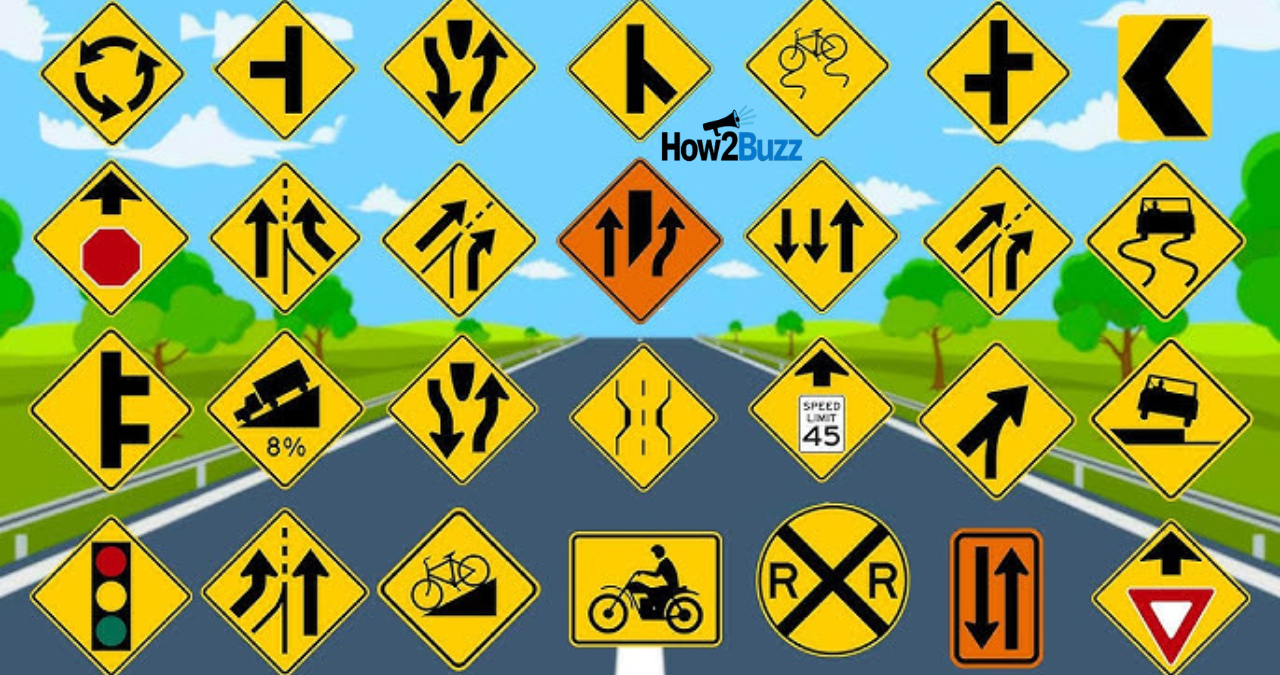
Warning signs, on the other hand, alert you to potential hazards like sharp turns, pedestrian crossings, or slippery roads. Informational signs provide guidance such as hospital locations, fuel stations, or highway exits. Understanding these categories helps you group signs in your memory, which makes recalling them during the exam much smoother.
Common Mistakes Learners Make
One of the biggest mistakes learners make is underestimating how tricky some signs can be. For instance, two triangular signs may look similar but have entirely different meanings. Another common error is ignoring the difference between regulatory and advisory signs—confusing them during the road signs test could cost you points.
It’s also easy to focus too much on memorization without understanding the logic behind the signs. Instead of just remembering that a red circle means “don’t,” learn why it’s used universally as a warning. This deeper understanding will serve you far better on the test and in real driving situations.
Practical Ways to Practice
Flashcards are a tried-and-true method for memorizing road signs. You can make your own or use digital versions available in apps. Pairing an image with a short explanation trains your brain to make faster connections. The quicker you can recognize a sign, the better your reaction time when driving.
Another effective way is taking online practice exams. Many official websites and apps simulate the exact format of the road signs test. This helps reduce anxiety since you’ll know what to expect. Plus, you’ll identify areas where you’re weaker and need to review more carefully.
How Road Signs Connect to Real Driving

Passing the road signs test is only the beginning; the true value comes when you apply it on the road. Imagine driving through a construction zone without recognizing temporary signs—you’d not only be confused but also at risk of causing an accident.
When you start practicing behind the wheel, you’ll quickly realize how much signs guide every move you make. They tell you when to stop, when to slow down, and when to prepare for unexpected changes. Respecting these signs builds confidence and keeps your journeys smooth and safe.
The Role of Road Signs in Traffic Safety
Traffic safety is built around the idea of predictability. If every driver understands and follows the same set of rules, the chances of collisions drop dramatically. Road signs make that possible. They create order out of what could otherwise be chaos.
The road signs test ensures that you can read this language before you even start driving solo. Think of it as a way the system protects both new drivers and seasoned ones. By proving you can understand and follow instructions, you’re actively contributing to safer roads for everyone.
Overcoming Test Anxiety
It’s normal to feel nervous about the road signs test, especially if exams usually make you anxious. The good news is, this test is straightforward once you prepare properly. Break your study into small sessions and focus on one category of signs at a time to avoid overwhelm.
Also, practice under test-like conditions. Take timed practice exams without distractions, just like you’ll have on test day. This builds familiarity and reduces nerves. Remember: the goal isn’t perfection, but demonstrating a strong grasp of the rules that keep roads safe.
Digital Resources and Mobile Apps
Modern learners have an advantage previous generations didn’t: online tools and apps that make studying more engaging. Many of these apps offer interactive quizzes, mini-games, and mock tests specifically designed around the road signs test.
What makes these resources powerful is their portability. You can study while commuting, waiting in line, or during a short break at work. Instead of setting aside hours of cramming, you learn in bite-sized chunks, which actually helps long-term memory retention.
Conclusion
The road signs test is more than just a formality—it’s your foundation for becoming a safe, confident driver. By understanding categories, avoiding common mistakes, and practicing regularly, you’ll not only pass the test but also carry valuable knowledge into your daily driving.