
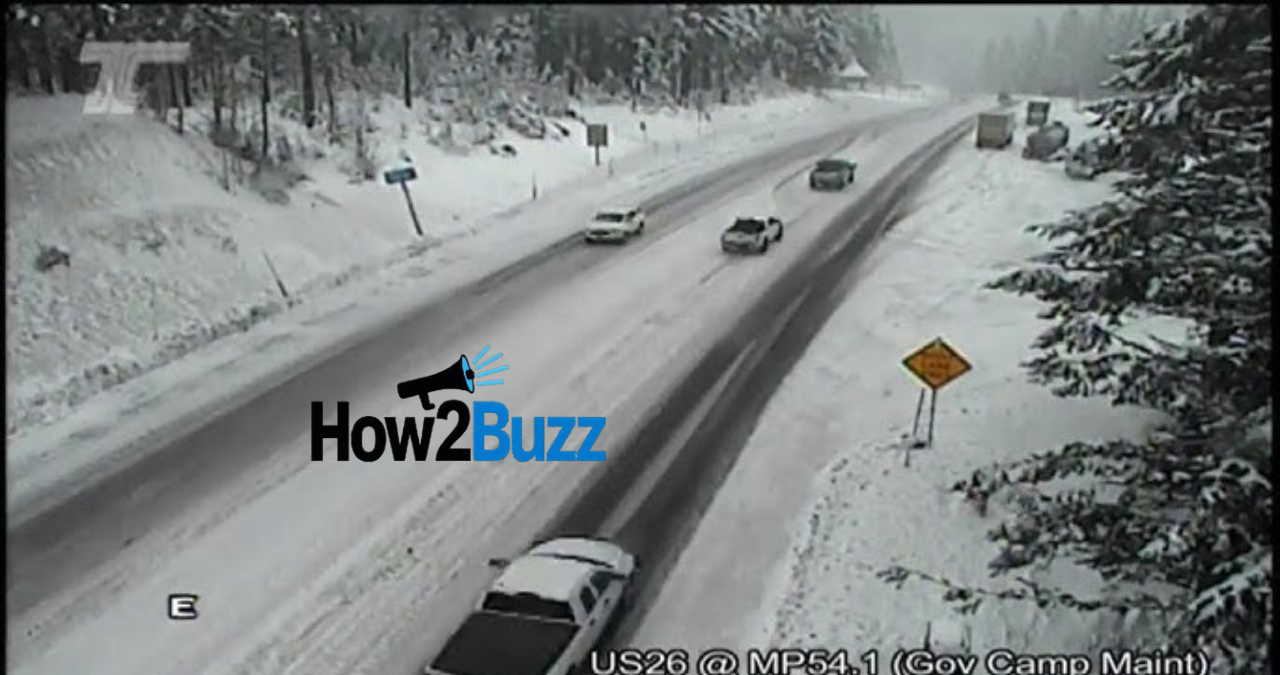

The announcement of a winter storm warning issued for Oregon Cascades has captured attention across the state, particularly for those who travel frequently through the mountain ranges. When such warnings are released, it signals that residents and visitors alike should prepare for rapidly changing conditions. Snow, ice, and fierce winds can make travel extremely hazardous while also increasing the risk of power outages and disruptions to daily routines.
The Oregon Cascades are no stranger to powerful winter storms, but each new alert reminds us how unpredictable mountain weather can be. Meteorologists point out that storms here develop quickly and often bring far more snow than anticipated. Whether you are planning a weekend ski trip or simply driving through, understanding what a storm warning means is crucial for safety and preparedness.
Winter Storm Warning Issued for Oregon Cascades What You Need to Know
A winter storm warning issued for Oregon Cascades essentially means that severe winter weather is either happening or will arrive shortly. Typically, these warnings forecast significant snowfall, icy conditions, or a combination of both. The aim is to give people time to prepare before conditions worsen. Travelers heading toward high passes such as Santiam Pass or Government Camp are strongly advised to check road conditions and carry chains.
It’s also important to recognize that these warnings are not meant to create panic but to encourage caution. The Oregon Cascades can receive several feet of snow during these events, making even short trips risky. For outdoor enthusiasts, this is a reminder to double-check gear, dress in multiple layers, and plan extra time if venturing into the mountains. Even those staying at lower elevations may feel the impact through colder temperatures and strong winds.
Winter Storm Warning Issued for Oregon Cascades and Its Impact on Travel
Travel is one of the first aspects affected when a winter storm warning issued for Oregon Cascades comes into play. Highways and mountain passes are often the most treacherous, with icy patches, drifting snow, and reduced visibility. For truckers and commuters, delays become almost inevitable as road crews work around the clock to clear routes. The Oregon Department of Transportation typically recommends that all drivers carry emergency supplies and avoid unnecessary travel during the peak of the storm.
For those traveling by air, the storm can also ripple into airport delays. Snow in the Cascades may not directly close airports in Portland or Eugene, but the interconnected nature of air travel means flights can be delayed or rerouted due to cascading effects. It’s another reason why staying informed and flexible is key. If possible, rescheduling travel during the storm period is the safest option.
Understanding Why Winter Storms Hit the Oregon Cascades So Hard
The geography of the Oregon Cascades plays a significant role in why storms hit so forcefully. These mountain ranges act as a natural barrier, capturing moisture from Pacific systems. As the moist air rises, it cools and condenses, resulting in heavy snowfall. This process, known as orographic lift, is one of the main reasons the Cascades often receive far more snow than surrounding lowlands.
This geography also creates unpredictable microclimates. While one area may experience moderate snowfall, another just a few miles away can be buried in several feet of snow. The variety of terrain, coupled with rapid changes in elevation, makes forecasting both challenging and vital. Meteorologists continually monitor these conditions to ensure timely alerts, giving residents and travelers the best chance to prepare.
Safety Tips for Navigating the Oregon Cascades During Storm Warnings
When a storm warning is active, preparation is everything. Drivers are urged to keep chains, blankets, food, and water in their vehicles. Cell phone chargers and flashlights should always be within reach. These supplies can make all the difference if stranded for several hours. Travel experts also suggest leaving extra space between vehicles and reducing speed to maintain control on slick roads.
For hikers, skiers, and snowboarders, storms are both a blessing and a challenge. While fresh powder is appealing, visibility often drops, and avalanche risks increase. Carrying avalanche gear and traveling in groups are highly recommended. Many outdoor groups advise postponing backcountry plans until after warnings have expired, prioritizing safety above all else.
How Winter Storms Affect Local Communities
Beyond travel, a winter storm warning has a noticeable impact on local communities in the Oregon Cascades. Residents often prepare for extended power outages by stocking up on firewood, fuel, and non-perishable foods. Small towns in the region sometimes become isolated as snowplows struggle to keep roads open. Community centers and schools may serve as warming shelters for those in need.
Businesses, especially those that rely on tourism, feel both challenges and opportunities during storm periods. Ski resorts may celebrate heavy snowfall, but accessibility issues can reduce visitor numbers. Meanwhile, grocery stores and hardware shops often see a surge in demand for essentials like shovels, salt, and winter clothing.
Preparing Your Home Before the Next Winter Storm Warning

Preparation at home goes a long way when a storm is approaching. Insulating pipes, sealing windows, and having backup heating sources are essential steps to prevent costly damages. Many homeowners also invest in generators to ensure access to power during outages. Regularly checking smoke and carbon monoxide detectors is equally important when using alternative heating methods.
Food and water storage is another crucial aspect. Experts suggest keeping at least several days’ worth of supplies in case travel becomes impossible. Having flashlights, extra batteries, and portable chargers ensures that families can remain connected and safe even if the storm lasts longer than expected.
The Role of Technology in Storm Monitoring
Advancements in technology have made storm warnings more accurate and timely than ever before. Doppler radar, satellite imagery, and advanced computer models help meteorologists pinpoint where and when snow will fall. For residents of the Oregon Cascades, this means receiving alerts on phones, radios, and even social media platforms in real time.
These technological improvements not only save lives but also minimize economic losses. Early warnings allow businesses to adjust schedules, schools to close in advance, and emergency services to mobilize resources effectively. It’s a powerful reminder of how science and technology work hand in hand with public safety.
Climate Change and Future Storms in the Oregon Cascades
While winter storms are nothing new for the Oregon Cascades, experts are closely studying how climate change may alter their frequency and intensity. Warmer temperatures could lead to more rain events at higher elevations, changing the snowpack that so many communities and ecosystems rely on. This shift could also impact water supply during the summer months.
At the same time, some models suggest that storms may become more intense due to increased atmospheric moisture. For residents, this means preparing not just for the storms we know today but also for more extreme weather events in the future. Long-term planning and infrastructure improvements will be critical to adapting.
FAQs About Winter Storm Warnings in the Oregon Cascades
What exactly does a winter storm warning mean?
It means severe winter weather conditions are expected, usually involving heavy snow, ice, or both. It signals that travel and outdoor activities may become dangerous.
How should I prepare my car for a trip during these warnings?
Always carry tire chains, blankets, food, water, and a charged phone. Reducing speed and allowing extra travel time are key.
Do storms in the Cascades usually last long?
Duration varies. Some storms may last only a day, while others can bring several days of snow and icy conditions.
Is skiing safe during a storm warning?
While fresh snow is tempting, it’s best to wait until conditions improve. Visibility and avalanche danger can make skiing hazardous during a storm.
Are power outages common during these storms?
Yes, strong winds and heavy snow often bring down trees and power lines, leading to outages in affected communities.